This first ran in The War Zone — read the full case there. TLDR below.
The Air Force says the A-10 flies until 2030. The budget says otherwise.
The fiscal 2027 request funds zero dollars of A-10 modernization and cuts depot maintenance below the service's own stated requirement. By the end of this year, the jet will have no depot support, no training pipeline, no weapons-school instruction, and no operational-test capacity. The 357th Fighter Squadron, the only formal A-10 training unit and the home of Sandy combat search-and-rescue qualification, graduated its final class in April and is set to inactivate. No successor program exists anywhere in the Department of War, and the service has confirmed none is in development.
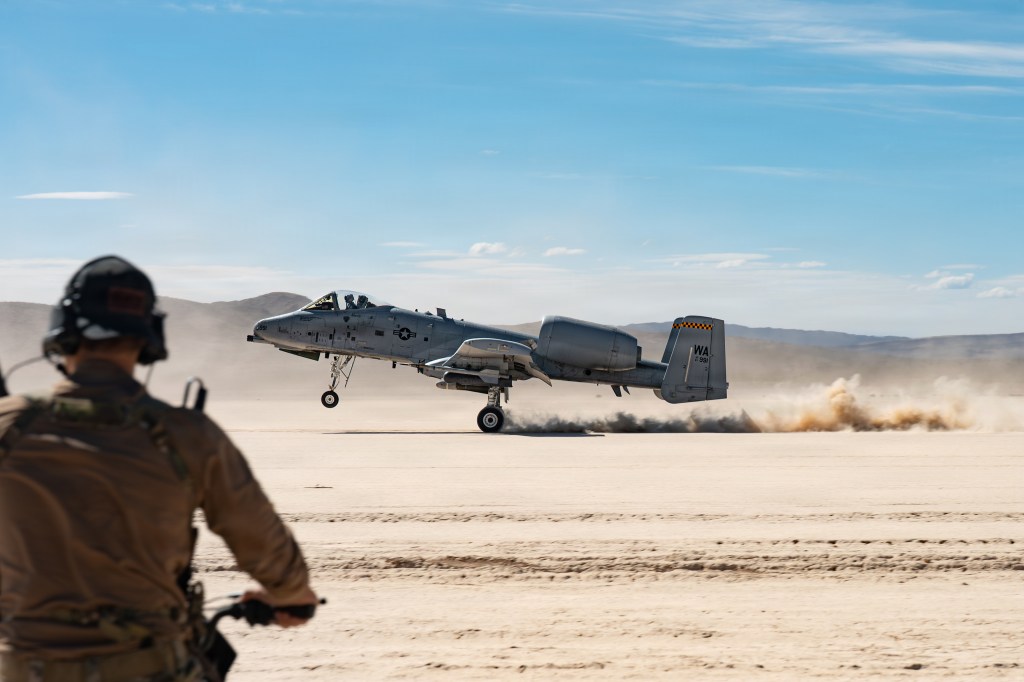
This is not nostalgia for an old airframe. In March, A-10s ranged Iranian fast-attack craft in the Strait of Hormuz. In April, they flew the search-and-rescue escort that recovered F-15E aircrew inside Iran. The capability is still working. It is being retired anyway, before anything is qualified to take its place.
And retirement does not erase the demand. The missions migrate to higher-cost platforms, with more flight hours and more sustainment burden. Congress already spent roughly $2.1 billion re-winging this fleet to fly into the late 2030s. The service is treating that as a write-off.
The expensive mistake is not keeping the A-10. It is losing the people, the schoolhouse, and the institutional knowledge faster than any of it can be rebuilt. Every month of waiting makes that rebuild slower, costlier, and closer to impossible.
I wrote the full case, with the numbers and the three fixes I think Congress and the Air Force should act on now, in The War Zone.
Read the full case in The War Zone →
Paul Garcia is the founder of Merge Combinator, a venture studio for national security. He is a retired Air Force officer and Weapons School graduate with more than 2,000 combat flight hours.